
الوشوم وزيادة خطر سرطان الجلد بنسبة 29 %.. دراسة تحذّر – أخبار السعودية
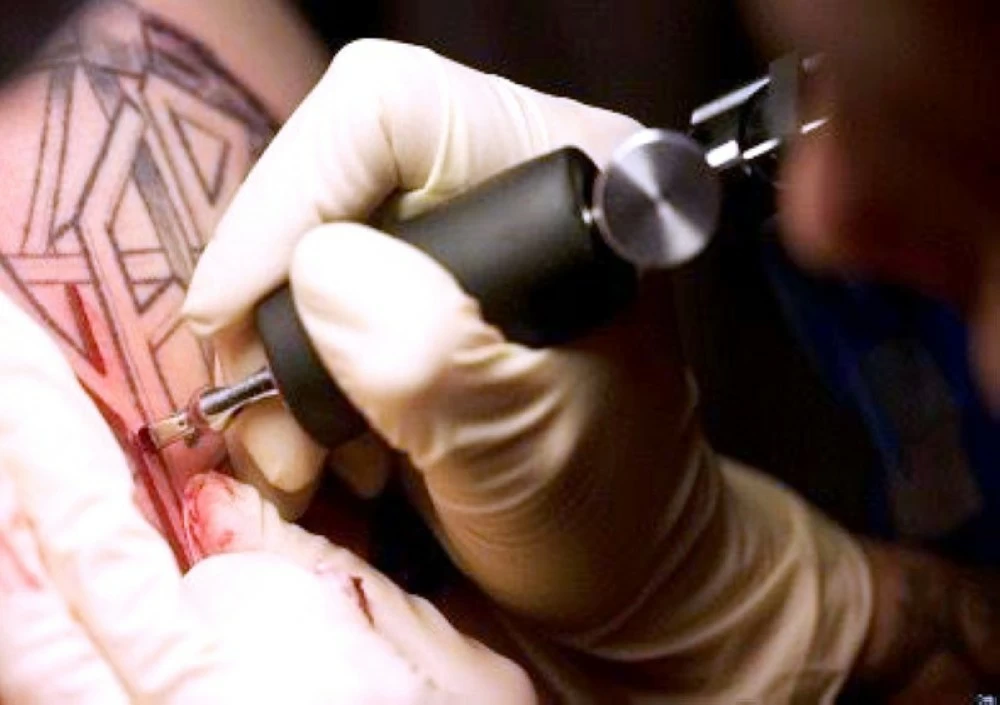
أظهرت دراسة علمية حديثة، أن الوشوم التي أصبحت وسيلة شائعة للتعبير عن الذات قد ترتبط بزيادة خطر الإصابة بسرطان الجلد بنسبة تصل إلى 29%، وفقاً لما نشره موقع «ساينس أليرت» العلمي. ووجد الباحثون، أن هذا الارتفاع يرتبط تحديداً بسرطان الميلانوما، وهو الشكل الأخطر من سرطان الجلد المرتبط غالباً بالتعرض للأشعة فوق البنفسجية. وتُعد هذه النتائج صادمة للكثيرين ممن ينظرون للوشم باعتباره تعبيراً فنياً آمناً، خصوصاً أن انتشاره بات واسعاً في المجتمعات الغربية.
وبيّنت النتائج، أنه، ورغم هذا الارتباط الخطير، لا يبدو أن الوشم يزيد من احتمالية الإصابة بسرطان الخلايا الحرشفية، وهو نوع آخر من سرطان الجلد يُعد أقل خطورة من الميلانوما، ما يعكس اختلاف نشأة كل نوع من حيث الخلايا وشدة تطوره. كما يؤكد العلماء، أن الميلانوما قد تنمو ببطء وبهدوء، ما يجعل متابعتها واكتشافها المبكر تحدياً طبياً كبيراً يحتاج إلى وعي وحذر دائم.
وأشارت الدراسة إلى أن سبب هذا القلق يعود لوجود مركبات كيميائية داخل أحبار الوشم يمكن أن تتفاعل مع الأشعة فوق البنفسجية أو تُحدث تهيجاً داخل الجلد قد يسهّل تحوّل الخلايا لاحقاً. وتبرز النتائج أهمية الانتباه الصحي لهذه الظاهرة، خصوصاً في دول مثل السويد، إذ يحمل واحد من كل ثلاثة بالغين وشماً على أجسادهم، ما يجعل قاعدة الدراسات السكانية أكثر دقة وشمولاً. ولتحقيق هذه الخلاصات، اعتمد الباحثون على سجلات وطنية دقيقة شملت المصابين بسرطان الميلانوما بين عامي 2014 و2017، وجرى تتبع ما إذا كانوا يحملون وشوماً من قبل، في محاولة للوصول إلى علاقة موثوقة بين الطرفين. ويشير الباحثون إلى أن جمع بيانات طويلة المدى حول فئة كبيرة من الموشومين وغير الموشومين، يُعد تحدياً يتطلب سنوات من المتابعة، ما يعني أن الصورة النهائية لا تزال قيد التبلور.
A recent scientific study has shown that tattoos, which have become a popular means of self-expression, may be associated with an increased risk of developing skin cancer by up to 29%, according to a report published by the scientific website “Science Alert.” Researchers found that this increase is specifically linked to melanoma, the most dangerous form of skin cancer often associated with exposure to ultraviolet rays. These findings are shocking to many who view tattoos as a safe artistic expression, especially since their prevalence has become widespread in Western societies.
The results indicated that, despite this serious association, tattoos do not seem to increase the likelihood of developing squamous cell carcinoma, another type of skin cancer that is considered less dangerous than melanoma, reflecting the different origins of each type in terms of cells and the severity of their development. Scientists also confirm that melanoma can grow slowly and quietly, making its monitoring and early detection a significant medical challenge that requires ongoing awareness and caution.
The study pointed out that the reason for this concern is the presence of chemical compounds in tattoo inks that may react with ultraviolet rays or cause irritation within the skin that could facilitate the transformation of cells later on. The results highlight the importance of health awareness regarding this phenomenon, especially in countries like Sweden, where one in three adults has a tattoo on their bodies, making the population study base more accurate and comprehensive. To achieve these conclusions, researchers relied on precise national records that included individuals diagnosed with melanoma between 2014 and 2017, tracking whether they had previously had tattoos in an attempt to establish a reliable relationship between the two. Researchers note that collecting long-term data on a large group of tattooed and non-tattooed individuals is a challenge that requires years of follow-up, meaning that the final picture is still taking shape.
للمزيد من المقالات
اضغط هنا
التعليقات